Finalists
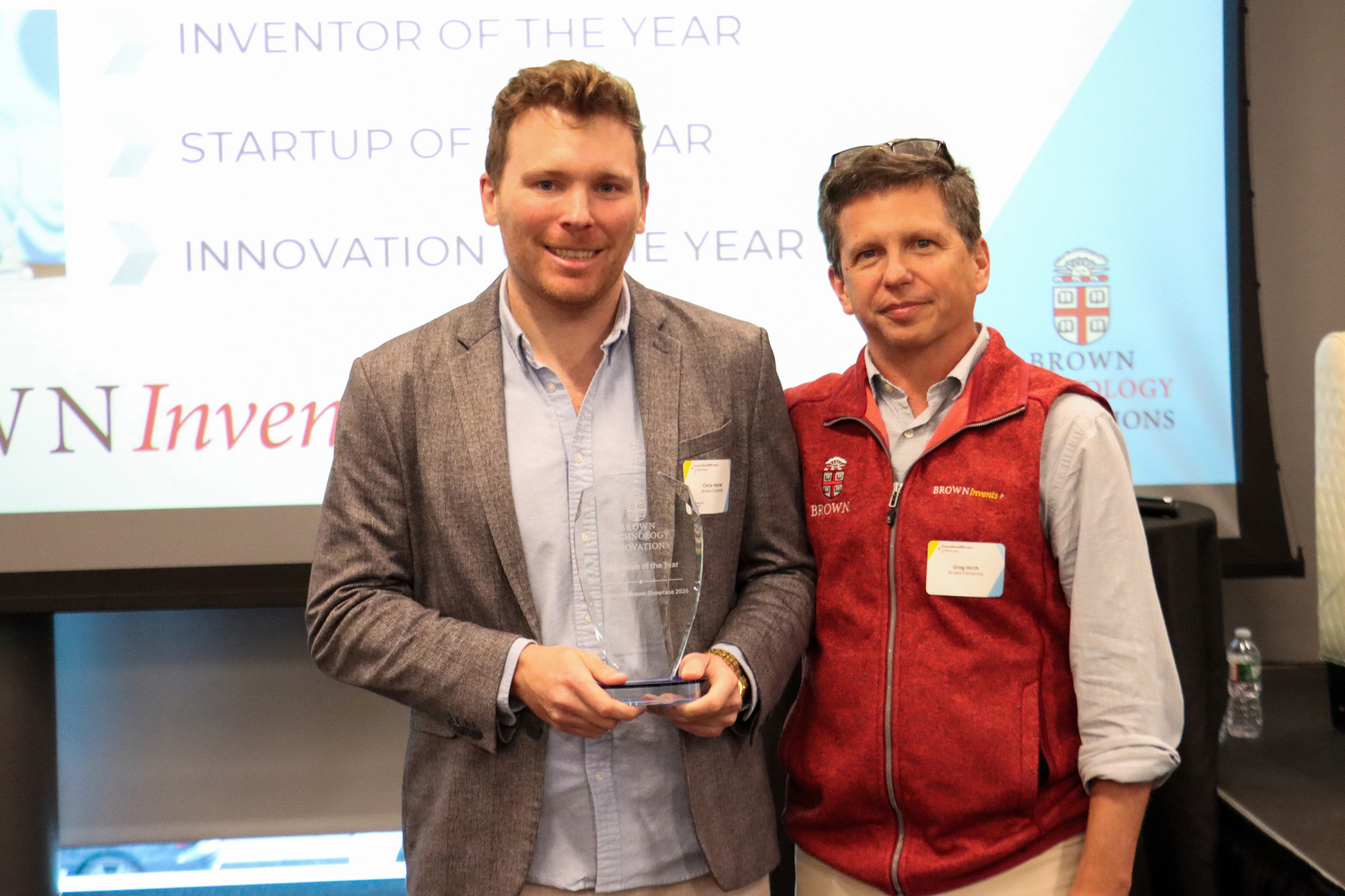
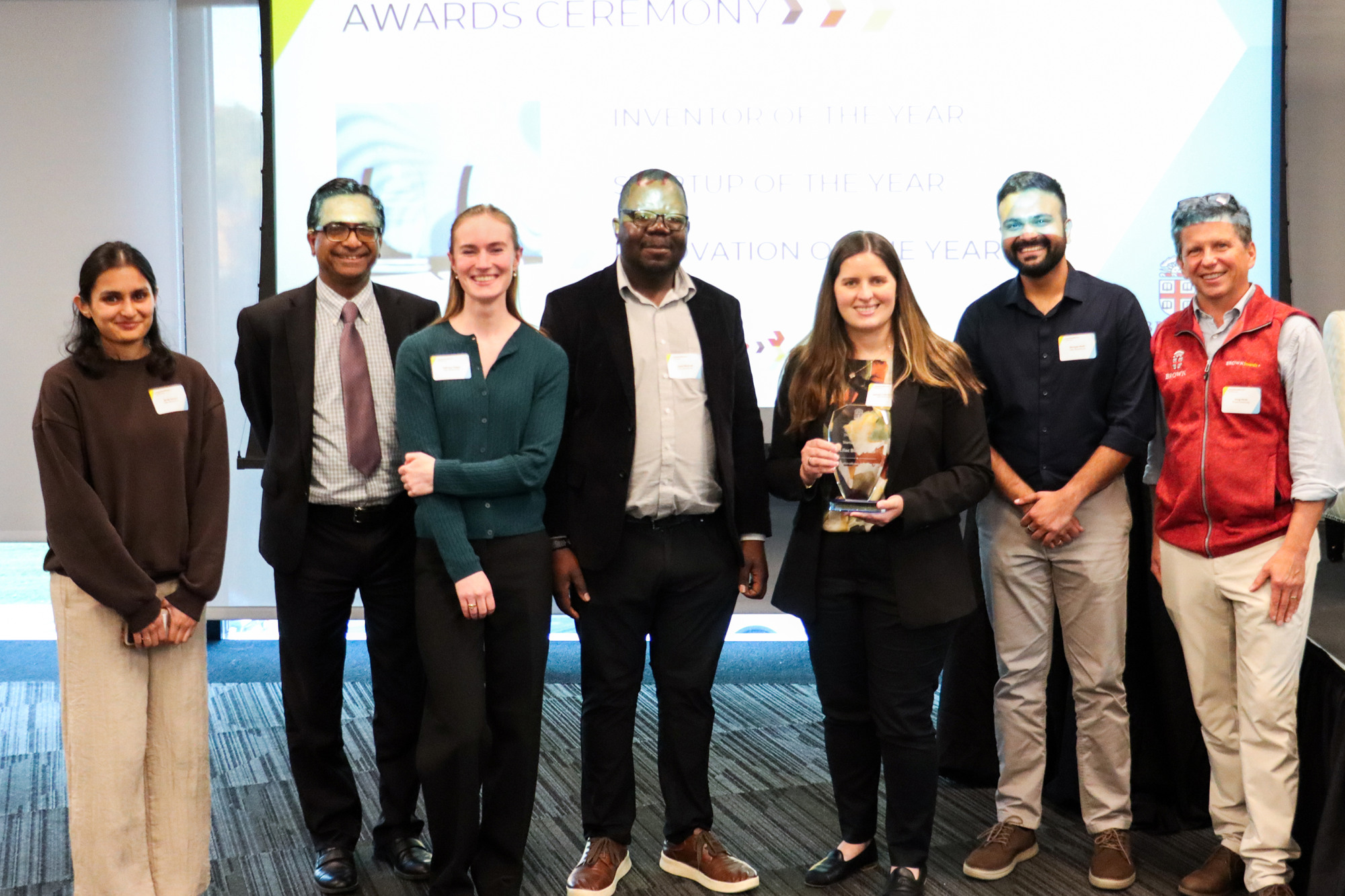
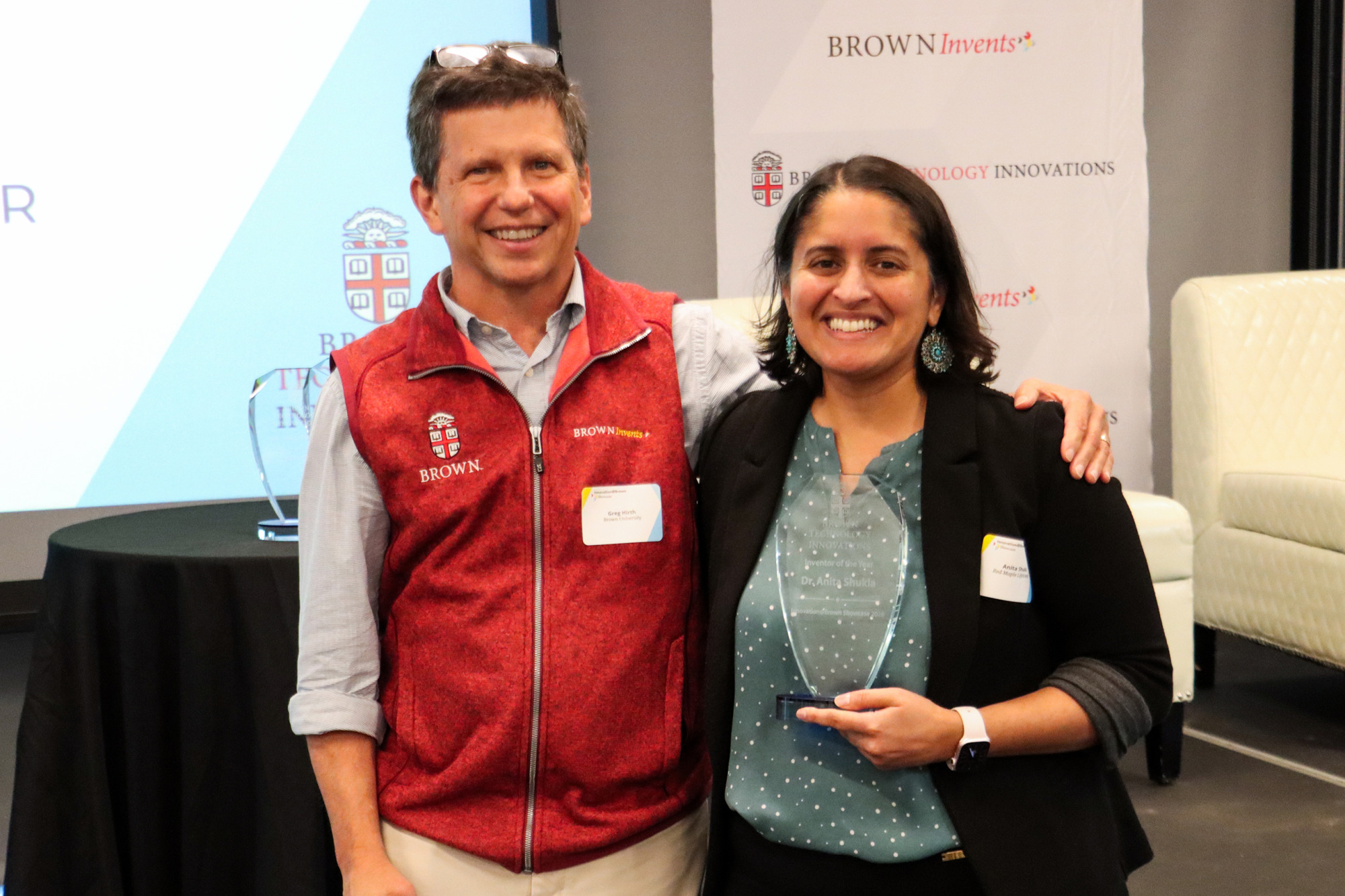
The following three contenders finished as the top three in the public vote and received the chance to pitch live at the Innovation Showcase to compete for the title of Innovation of the Year:
EMPIRIC - a new AI-based method for rapid climate and extreme weather prediction for island and coastal territories [Chris Horvat | Earth, Environmental, & Planetary Sci]
Traditional climate models often miss the complex, smaller geographies of islands and coasts—leaving vulnerable communities without accurate weather and climate predictions. This technology uses advanced AI—combining generative models, image super-resolution, and transfer learning—to deliver rapid, high-resolution climate forecasts. By capturing hyper-local environmental risks, it empowers city planners, global NGOs, insurers, and governments to make data-driven decisions, assess localized risks, and design resilient infrastructure for front-line regions.
Lighting up the brain: Far-red sensors for deep, cellular-resolution imaging of neural activity with millisecond precision [Ahmed Abdelfattah | BioMed, Neuroscience]
Electrical signals (action potentials) deep within neural circuits are the fundamental language of the brain. FiRE (Fluorescent indicator for Reporting Electrical activity) is the first genetically encoded tool that makes these signals visible using bright, far-red fluorophores deep in the brain on a conventional microscope. By using long-wavelength far-red light, FiRE dramatically reduces light scattering and tissue background interference, enabling high-resolution, deep-tissue imaging of neuronal voltage dynamics in real time. Optimized through machine-learning protein engineering, FiRE shows unmatched brightness, speed, and precision for mapping complex brain activity.
A novel modular drone system that obtains extra thrust through unique stacking pattern [Nora Ayanian | Computer Science]
Project Aerolink is a groundbreaking drone platform featuring quadcopters that autonomously assemble and disassemble mid-flight in three dimensions. Inspired by fluid mechanics, its unique octagon-frame geometry and magnetic docking allow drones to stack vertically and laterally. Instead of interfering with one another, docked drones create aerodynamic interactions that actually boost overall thrust beyond what individual drones can achieve on their own. This dynamic modularity lets drones fly through tight spaces and merge into larger aerial structures to carry heavy or oddly shaped cargo and support advanced sensors.
Contenders
The following seven contenders also took part in the public vote:
Multi fiber mix for GI microbiome stability and resilience [Peter Belenky | BioMed, Molecular, Microbiology & Immunology]
Antibiotic therapy frequently disrupts the gut microbiome, causing gastrointestinal distress, loss of beneficial microbes, and diarrhea. This innovation is a rationally designed multi-fiber dietary supplement created to safeguard gut health during antibiotic treatment. By blending complementary fibers in precise ratios, it maintains a healthy gut environment, lowers oxidative stress, and normalizes stool consistency. Unlike single-fiber options or probiotics that yield inconsistent results, this scalable, well-tolerated product prevents microbiome collapse.
Monoclonal antibody to activate muscle stem cells and promote muscle growth and regeneration [Justin Fallon | BioMed, Neuroscience]
This breakthrough antibody therapy targets the human muscle-specific kinase (MuSK-Ig3) signaling pathway to activate adult muscle stem cells and build muscle. Designed to combat severe muscle-wasting conditions—such as age-related sarcopenia, cancer cachexia, disuse atrophy, and muscle loss linked to GLP-1 agonists—this innovation will promote muscle regeneration, increase myofiber size, and enhance grip strength. Currently there are no therapeutics aimed at adult muscle stem cells. By focusing specifically on the MuSK-Ig3 domain, this target drives powerful tissue recovery while keeping neuromuscular junction formation intact.
AI-Powered Oral Assessment Platform [Larry Larson | School of Engineering]
Traditional oral exams evaluate deep conceptual understanding and reasoning better than multiple-choice tests, but they are too labor-intensive for large classes. This platform solves that scalability bottleneck by automating synchronized, video-based oral examinations at scale. Students respond to timed multimedia prompts while the system records and transcribes their spoken answers in real time. Using instructor-defined rubrics, ideal answers, and course materials, the AI provides rapid, context-aware first-pass evaluations—identifying key concepts, errors, and confidence levels. Instructors retain full control via a review dashboard to finalize grades, bringing rigorous oral testing to mainstream education and professional training.
Anti-interferon lambda therapy for interferonopathy autoimmune disorders [Sanghyun Lee | BioMed, Molecular, Microbiology & Immunology]
Interferonopathies are severe systemic immune disorders in which interferons are produced without infection, causing life-threatening chronic inflammation and organ damage. Existing treatments broadly suppress interferon signaling, often with limited benefit and a greater risk of fatal infections. This therapy selectively blocks interferon-lambda in the gut, reducing harmful self-targeting antibodies that attack the body, and organ injury while preserving broader immune defenses. This new targeted approach could provide safer, more effective, and durable disease control.
Compositions and Methods for Treating Preeclampsia and Other Pregnancy Disorders [John Sedivy | BioMed, Molecular, Cellular Biology Biochemistry]
Preeclampsia is a life-threatening pregnancy complication driven by placental dysfunction. Current treatments only manage symptoms or require premature delivery. This technology introduces a first-in-class therapy that targets an upstream driver of the disease: the reactivation of "Dark Genome" elements called LINE-1 retrotransposons in the placenta. By repurposing available HIV medications (nucleoside reverse transcriptase inhibitors, NRTIs), this platform blocks LINE-1 activity, reducing cellular stress, inflammation, and toxic factor release in placental cells. This approach offers a safe, first disease modifying, placenta targeted therapy to protect maternal and fetal health, prolong gestation, and prevent severe pregnancy disorders.
PackUV: Lossless Compression for 4D Volumetric Video [Srinath Sridhar | Computer Science]
PackUV revolutionizes 3D/4D volumetric video—immersive, room-scale media that can be viewed from any angle—by solving its massive storage, streaming, and visual quality challenges. Traditional 4D representations require huge amounts of memory and fail over long durations or high-motion scenes. PackUV solves this by flattening 3D attributes into structured, multi-scale 2D structures packed into a single image atlas. This breakthrough makes volumetric 3D video 100% compatible with standard, existing 2D video encoding schemes (like HEVC or FFV1) without quality loss, allowing seamless streaming across current video infrastructure. Paired with a flow-guided optimization method (PackUV-GS), it maintains consistent visual quality for sequences up to 30 minutes.
Ultrasensitive LINE-1 biomarker assay for early cancer detection [Marty Taylor | BioMed, Pathology & Laboratory Medicine]
Early cancer detection saves lives, but current screening methods are limited and invasive. LINE-1 is a virus-like genetic element silenced in healthy tissue but widely active in all major carcinomas and their high-risk precancers. The Taylor lab's research shows that LINE-1 ORF1 protein (ORF1p) is a highly cancer-specific biomarker in blood. This newly developed assay detects ORF1p in alcohol-fixed specimens at low cost, potentially enabling early detection from routine sample types at higher sensitivity—including Pap smears for ovarian and endometrial cancers and a minimally invasive swallowed capsule sponge for esophageal cancer screening. By fitting existing clinical workflows, it offers a scalable, low-cost path to earlier diagnosis.